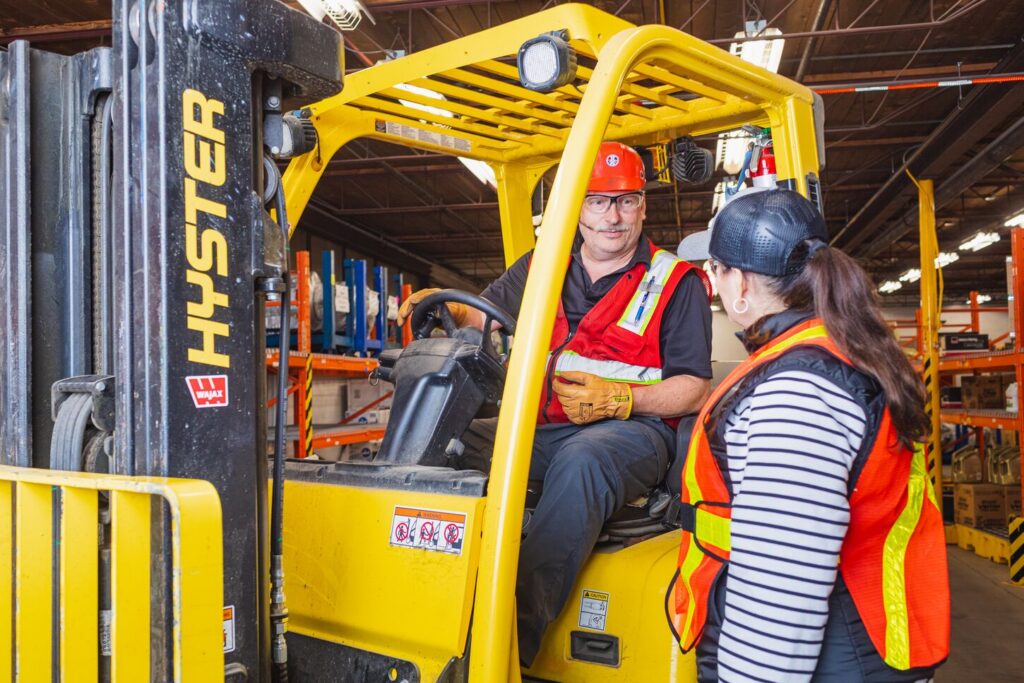
In a busy day at the warehouse, servicing a forklift feels like the least important item on your to-do list. But when that same forklift breaks down, it can bring your entire warehouse to a halt. The cost of delaying forklift maintenance can snowball when one ignored part damages other components. Regular maintenance minimizes downtime caused by preventable forklift breakdowns, ensuring your operations run at full throttle with reliable handling equipment.
The Hidden Costs of Skipping Forklift Service
The immediate cost of delaying forklift maintenance comes from repairing or even replacing a broken forklift. But while the forklift is out of service, it creates a ripple effect that can disrupt your entire supply chain. The hidden costs of delaying forklift repairs often include:
- Personnel safety risks: Skipping forklift services also puts your operators at risk. Forklifts may not operate or handle properly, causing safety hazards. Unsafe machines are also expensive machines, as direct violations of provincial occupational health and safety laws and CSA Standard B335-15 could result in severe legal liabilities and fines. Safety inspectors can also tag your forklifts as out of service, causing operational shutdowns.
- Additional labor costs: To compensate for a forklift being down, you may need to make up the shortfall with manual labor, overtime or reassigning operators. This labor multiplier effect can inflate payroll costs and reduce overall output.
- Strained relationships: A stalled forklift on the loading dock means inbound and outbound trucks are waiting. This may strain your relations with the carriers, as excessive wait times can lead to detention fees and missed delivery windows. You also risk your relationships with customers if you can’t deliver your goods on time.
- Extensive repairs: While you still need to allocate time for regular forklift servicing, it creates much less downtime than a neglected machine. This is especially the case when forklift parts fail together, requiring a much lengthier, complex repair.
Common Forklift Chain Reaction Failures
Multiple forklift parts can fail at once due to poor maintenance, inferior part replacements or improper operation. Forklift parts that fail together include:
- Hydraulic parts: Even a small hydraulic leak is cause for concern, and ignoring it starves the hydraulic system of fluid. Leaks can allow contaminants into the system. Any debris that penetrates acts as an abrasive, leading to cylinder scoring and potentially causing total hydraulic pump failure. If this happens during loading, you risk dropping heavy loads.
- Worn chains and forks: Leaving a stretched chain on your forklift affects its performance in the short term. But over time, a stretched chain can cause the forks to drag on the ground because the mast carriage lowers, wearing down the heels of the forks and eventually requiring a replacement of the chain and forks.
- Electrical components and batteries: An old battery or a worn contactor creates electrical resistance. This strains the forklift’s motor by forcing it to draw more amperage. This causes excess heat, which can melt internal wiring, destroy the controller or cause the motor to burn out.
- Cooling systems: For Class 4 and Class 5 internal combustion forklifts, the cooling system is crucial. Ignoring a minor coolant leak or forgetting to clean a clogged radiator can cause the engine to run too hot. What could have been a relatively simple hose replacement or fluid top-off can escalate into a blown head gasket, warped engine block or complete engine failure.

Why Using Genuine OEM Parts Matters
When your forklift needs repairs, the parts you choose directly impact performance and reliability. Genuine OEM parts are engineered to exact specifications for your model, ensuring perfect fit and seamless compatibility with your existing systems.
OEM components are built to the same rigorous standards as your original equipment and designed to withstand your forklift’s operational demands. This durability means fewer unexpected breakdowns and extended repair intervals, keeping your fleet operational.
While OEM parts may cost more upfront, they deliver superior long-term value. The cost of unexpected downtime, emergency repairs, and cascading failures often far exceeds the price difference. OEM parts protect your entire system’s longevity and performance.
How to Calculate the True Cost of Delaying Forklift Servicing
When margins are tight, operations managers may try to justify delaying scheduled maintenance. To appreciate the importance of regular servicing, weigh up the cost of servicing a forklift against the total costs of a forklift breakdown.
Factor in the following:
- Repair costs, including parts and labor
- Lost productivity, including idle operator wages and overtime needed to catch up
- Collateral costs such as carrier detention fees and rental forklift costs
When you total the costs, putting off your forklift service to save money could inflate your fleet’s total cost of ownership.
Shifting From Reactive to Proactive Forklift Maintenance
For the price of regular forklift servicing, you gain a strategic cost-saving measure. Reactive maintenance tends to be more expensive because rather than paying to replace a single part, emergency repairs include hidden costs like rush shipping, emergency callout fees and the cost of any forklift chain reaction failures.
Proactive maintenance also allows you to plan for necessary parts or replacements in advance. Whether it’s the price of some new tires or a new forklift, it helps you better plan for these expenses financially. When you maintain your forklift properly, you extend its lifespan and maximize your initial purchase investment.
To shift from reactive to proactive forklift maintenance, follow these steps:
- Create a regular maintenance schedule: Don’t wait for your machine to stall on the floor. Instead, opt for a calendar-based or hour-based service plan. Regular inspections allow trained technicians to identify and replace worn components before they cause issues.
- Prioritize daily inspections: Require your operators to perform visual and functional checks before every shift to identify warning signs like low fluid levels, unusual motor noises or hydraulic leaks.
- Encourage good operator habits: Remind operators that ignoring warning lights, riding the brakes or skipping cooldown periods is not an option. Even if it means operators take longer to complete a task, avoiding a total breakdown is key.
- Consider implementing telematics: Choosing forklifts with fleet software management built in, or integrating telematics into your existing fleet, lets you monitor your fleet’s health in real time. Telematics software tracks precise hour meters, monitors fluid temperatures and sends automated diagnostic fault codes directly to your maintenance team. This technology catches the early warning signs of a failing component, allowing you to intervene.
- Partner with a reliable service provider: Daily operator checks are important, but they can’t replace the expertise of trained technicians. Experienced technicians with Wajax can help you turn unpredictable emergencies into a planned, predictable operational budget.

Keep Your Forklifts Running Smoothly With Wajax
Investing in a forklift preventive maintenance program is vital for keeping your operations running smoothly. When you rely on your forklift every day, it needs ongoing servicing and repairs to minimize breakdowns. Choose a reliable service partner that uses genuine OEM parts to extend your forklift’s lifespan and maximize performance.
Wajax has the technical expertise and inventory of genuine forklift parts to ensure your forklifts are never the bottleneck of your operations. We can source parts for every make and model of forklift to get you back up and running quickly. Whether you need an emergency fix or regular forklift servicing, you can rely on our expert technicians. Learn more about our service options today.